
Choosing a commercial inflatable manufacturer is a business decision, not only a design decision. The right factory affects product safety, rental durability, delivery reliability, replacement costs and your long-term profit. Before comparing quotes, use the questions below to evaluate the supplier behind the product.
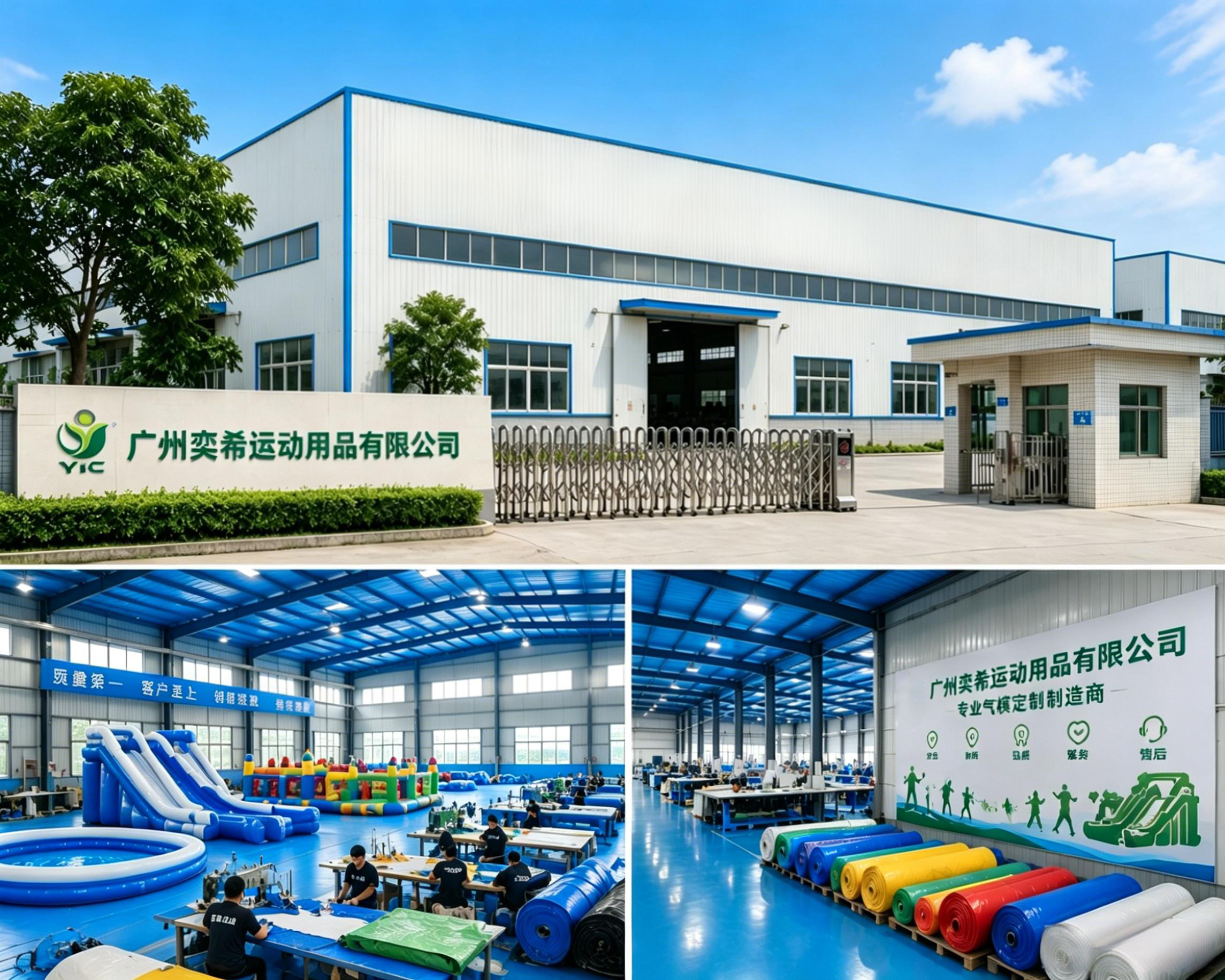
1. Is the factory experienced with commercial rental equipment?
Commercial inflatables for rental businesses face repeated inflation, transport, cleaning and outdoor use. Ask how long the factory has produced commercial equipment, which markets it serves and whether it can show completed projects similar to yours. A supplier that understands rental use should be able to discuss wear points, reinforced seams, repair access and packing for repeated handling.
2. Which PVC material and thickness are used?
Material claims should be specific. Ask for the PVC tarpaulin thickness, coating or lamination structure, tensile performance and the location of heavier reinforcements. A product specification should also explain which parts receive extra protection, such as anchor points, steps, slide landings and high-contact areas. Read our commercial PVC thickness comparison before accepting a generic material description.
3. What safety standards and documents can the supplier provide?
Safety requirements vary by product and destination. Ask which standards apply to the equipment, blower and materials, and request the relevant test reports or certificates before placing an order. Depending on the product and market, buyers may need documentation such as EN 14960, CE-related electrical documentation, ASTM guidance or other local requirements. Do not rely on a certificate image without checking that the document matches the product and the exporting company.
4. Can the factory produce OEM and ODM designs?
For a rental business, a strong design partner should support logo printing, color matching, custom themes, dimension changes and functional adjustments. Ask whether the design team provides a drawing for approval before production, how many revisions are included and whether the final artwork belongs to your project. A clear approval process reduces expensive misunderstandings.
5. What is included in the quotation?
Compare like with like. A professional quotation should identify the inflatable model, dimensions, material, blower specification, accessories, packaging, spare parts, testing, trade terms and delivery assumptions. Ask whether the price includes artwork, a repair kit, anchor points, carry bags, a user manual and export packaging. The lowest headline price is not necessarily the lowest landed cost.
6. What are the minimum order quantity and sample options?
MOQ can affect the right supplier for a new rental business, a distributor or a large amusement project. Ask whether one sample or a small mixed order is possible, whether samples can be credited against a larger order and how custom tooling or artwork fees are handled. A flexible factory should explain the trade-off between a low trial quantity and a better production price.
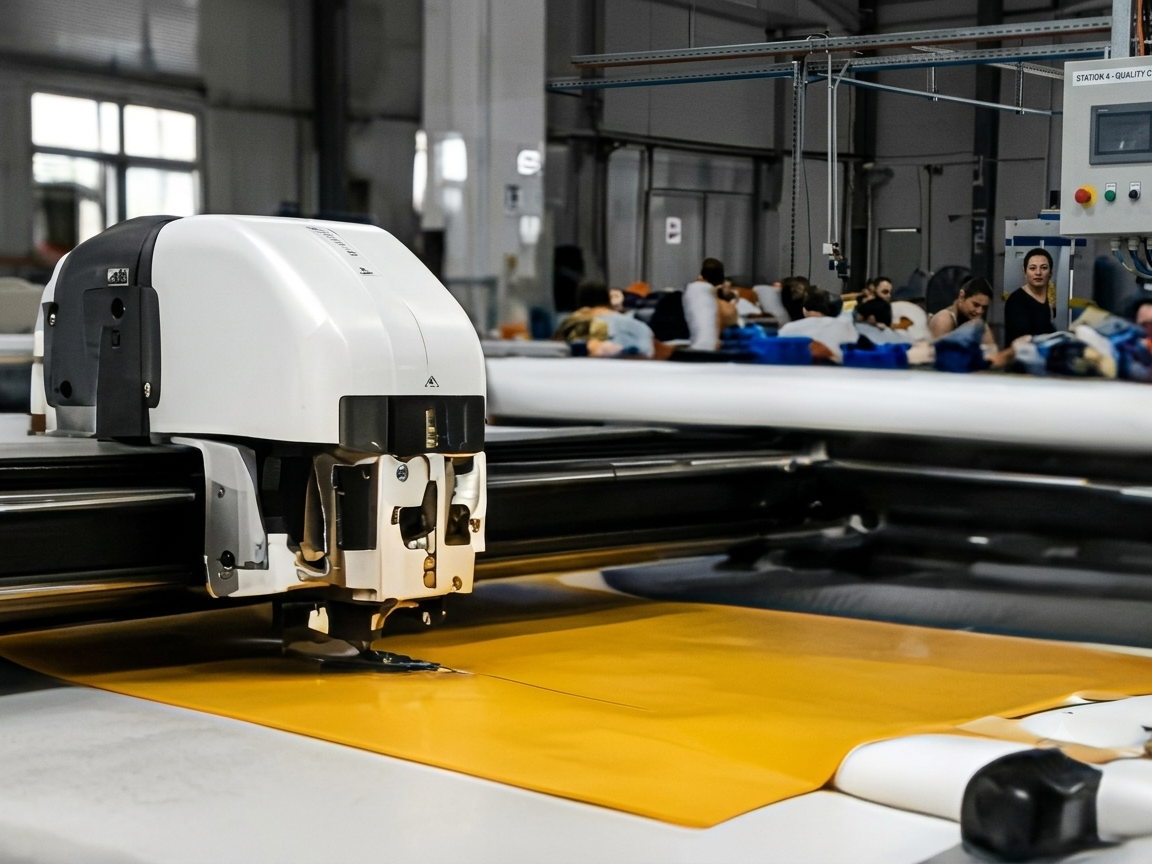
7. How does the factory control stitching, sealing and inflation tests?
Ask for a short explanation of the production checkpoints. Important controls include seam stitching, heat sealing, stress points, air leakage checks, blower matching, final dimensions and accessory inspection. Photos or videos from the actual factory are more useful than generic catalog images.
8. What is the realistic production lead time?
Lead time depends on design approval, order quantity, material availability and factory capacity. Ask for separate estimates for artwork, sample approval, production, inspection and packing. Also ask what happens if an approval or material is delayed. A realistic schedule is more valuable than an attractive promise that cannot be maintained during the busy season.
9. How are packaging and international shipping handled?
Commercial inflatables must be protected from moisture, abrasion and compression during transport. Confirm carton or woven-bag packaging, labeling, spare parts protection and the shipping term used in the quotation. If you need help comparing shipping options, send the destination port, quantity and package dimensions with your factory quote request.
10. What after-sales support is available?
Ask how the factory handles installation questions, operating guidance, spare parts, repairs and warranty claims. A useful warranty should define the covered period, exclusions, evidence required and response process. Request a repair kit and a digital operating guide for every commercial order.
11. Can the factory support product selection for your market?
A manufacturer with broad experience should help you match products to venue, age group, climate, floor area and business model. Browse the commercial inflatable product range and compare bounce houses, water slides, obstacle courses, games and tents by use case rather than by appearance alone.
12. Can the supplier communicate clearly before payment?
Communication quality is a practical risk indicator. Before ordering, check whether the supplier answers technical questions directly, records specifications in writing, confirms drawings and provides a clear payment and inspection process. If the details change from one message to the next, pause and request a single approved specification sheet.
Commercial inflatable manufacturer checklist
- Commercial-grade material and reinforcement details are written in the quotation.
- Product dimensions, blower requirements and included accessories are confirmed.
- Safety documents match the product and destination market.
- Artwork and engineering drawings are approved before production.
- Testing, inspection, packaging and shipping responsibilities are clear.
- Warranty, spare parts and after-sales response are documented.
Final takeaway
The best commercial inflatable manufacturer is the one that can make the product specification, quality process, delivery plan and after-sales support easy to verify. When you are ready to compare a custom project or bulk order, contact YIC Inflatables factory with your product type, size, quantity, destination and target delivery date.
Need a project-specific recommendation? Request a factory quote and include the product category and expected order quantity.